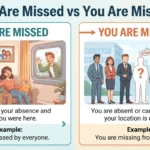
“You Are Missed” or “You Are Missing”: Difference and Usage
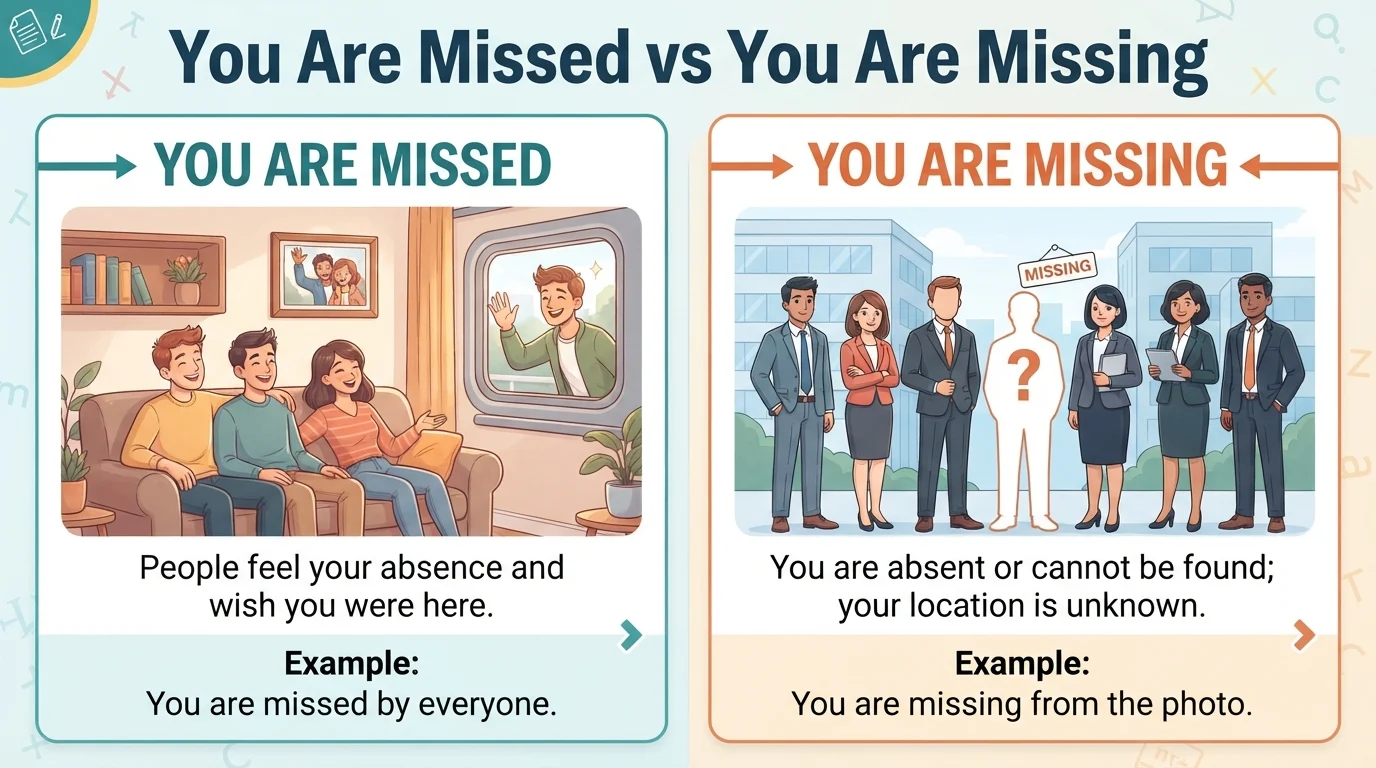
Is “you are missed” grammatically correct, or should you say “you are missing” when someone is not around? These expressions ...
Read more
Currently vs Presently: Meaning, Difference and Usage in English
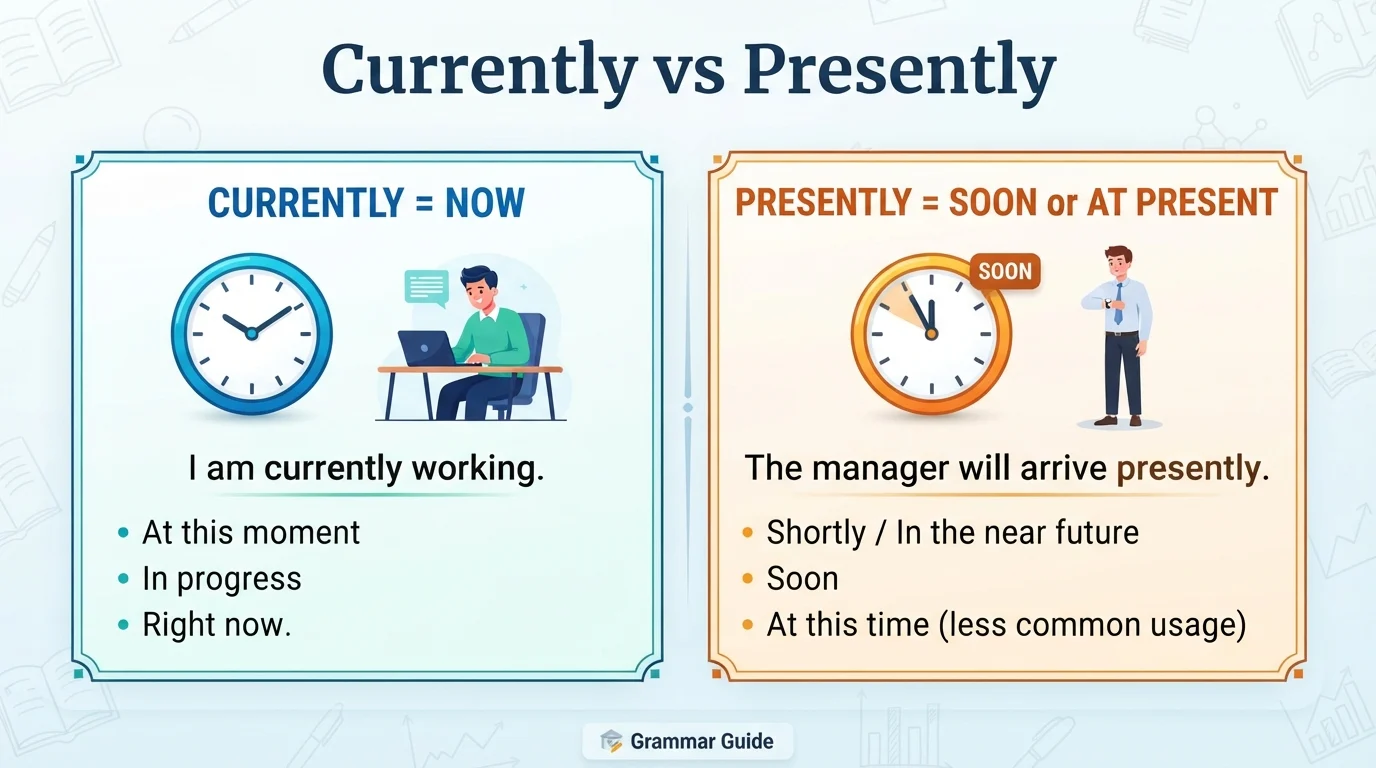
Are currently and presently interchangeable, or is there a difference between these two commonly confused English words? Both words are ...
Read more
Happy New Year Capitalization: Is It “Happy New Year” or “Happy new year”?

When writing a New Year greeting, should you capitalize every word in Happy New Year, or is Happy new year ...
Read more
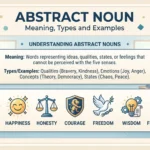
Abstract Noun: Meaning, Definition, Types and Uses in Grammar
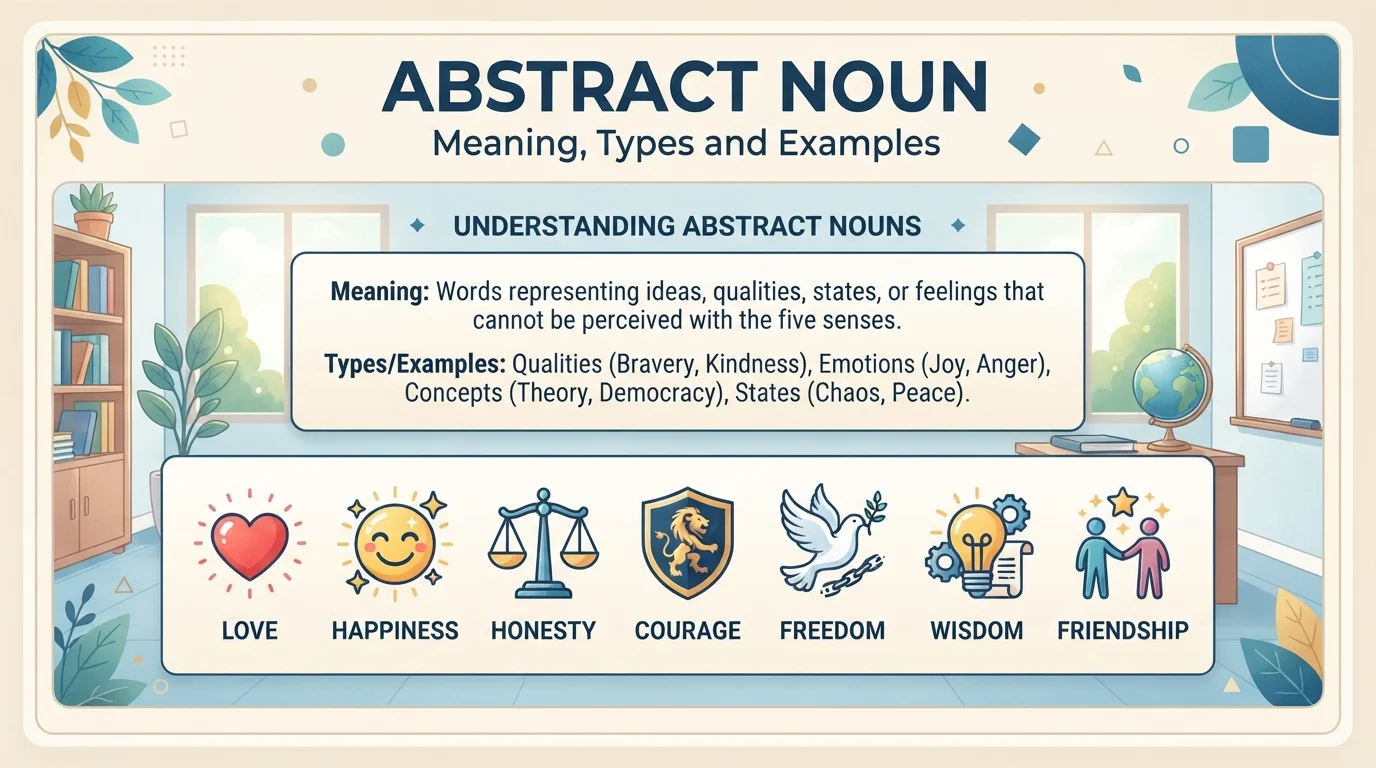
Understanding abstract nouns is an important part of learning English grammar. Abstract nouns are words that name things we cannot ...
Read more
Deepest Sympathy Messages: 100+ Words of Comfort for Loss

Finding the right words when someone loses a loved one is never easy. You may want to express your sadness, ...
Read more
Dead to Rights Meaning: and Examples in Everyday English
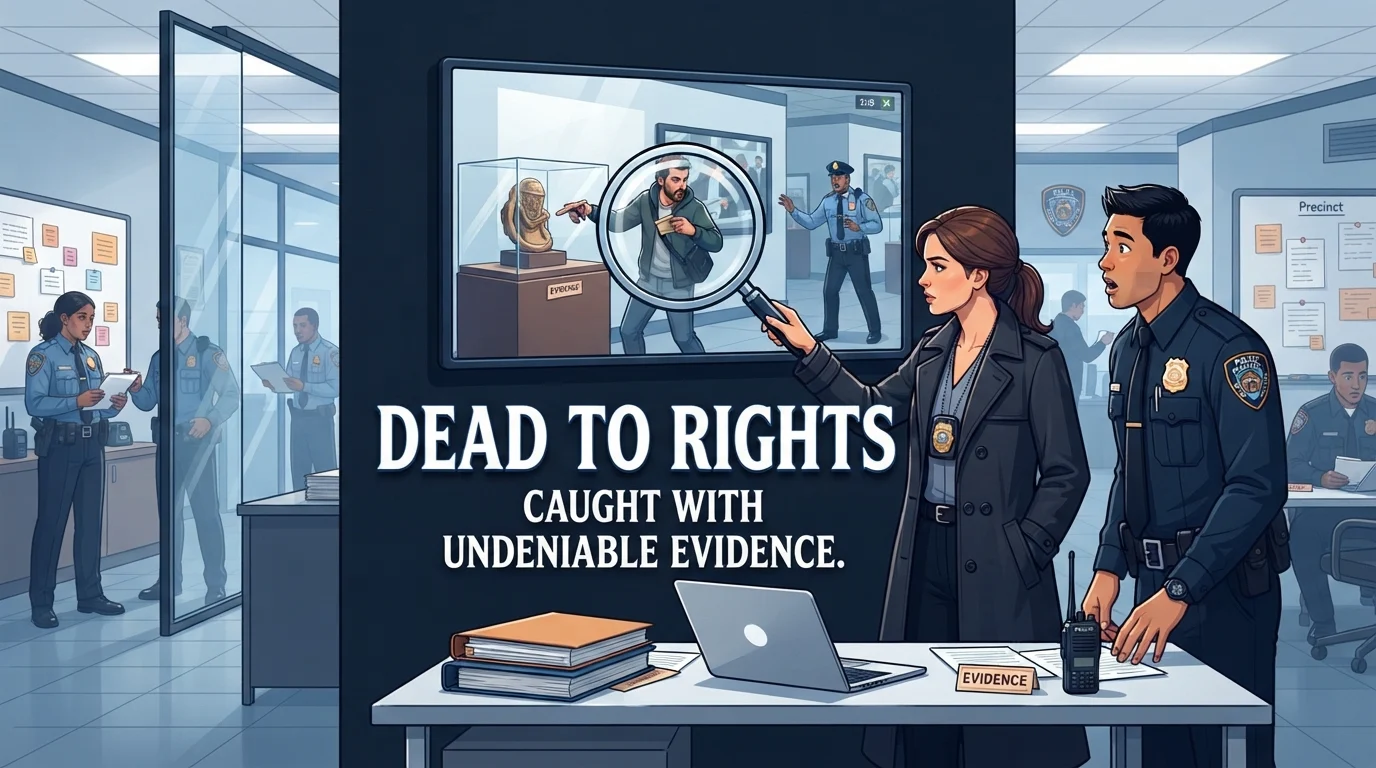
Have you ever heard someone say, “The police caught him dead to rights” and wondered what the expression means? “Dead ...
Read more
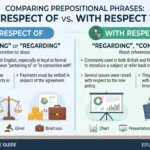
In Respect Of vs. With Respect To: Meaning and Correct Usage
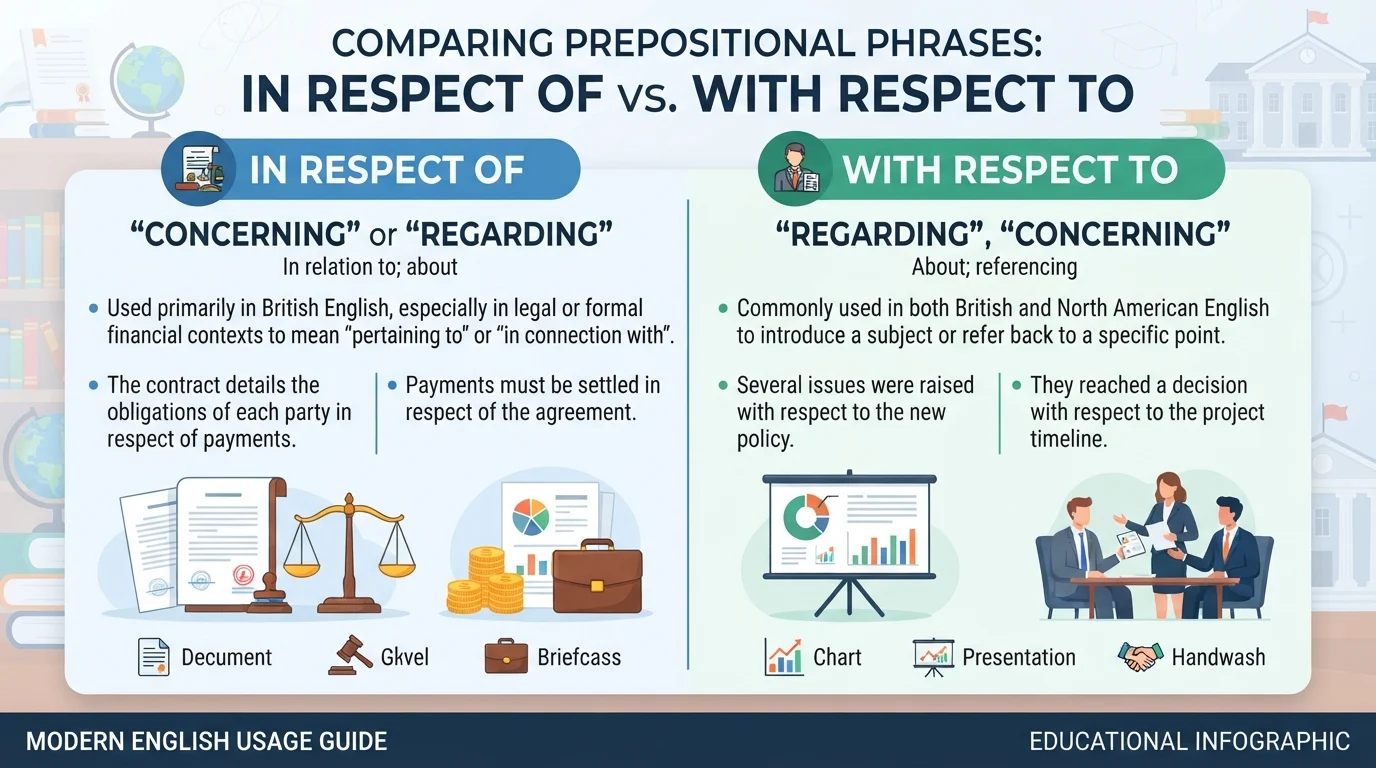
English has several expressions that seem almost identical but can differ in meaning, tone, and usage. Two such expressions are ...
Read more
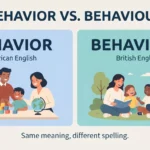
Behavior vs. Behaviour: Which Spelling Is and British English?
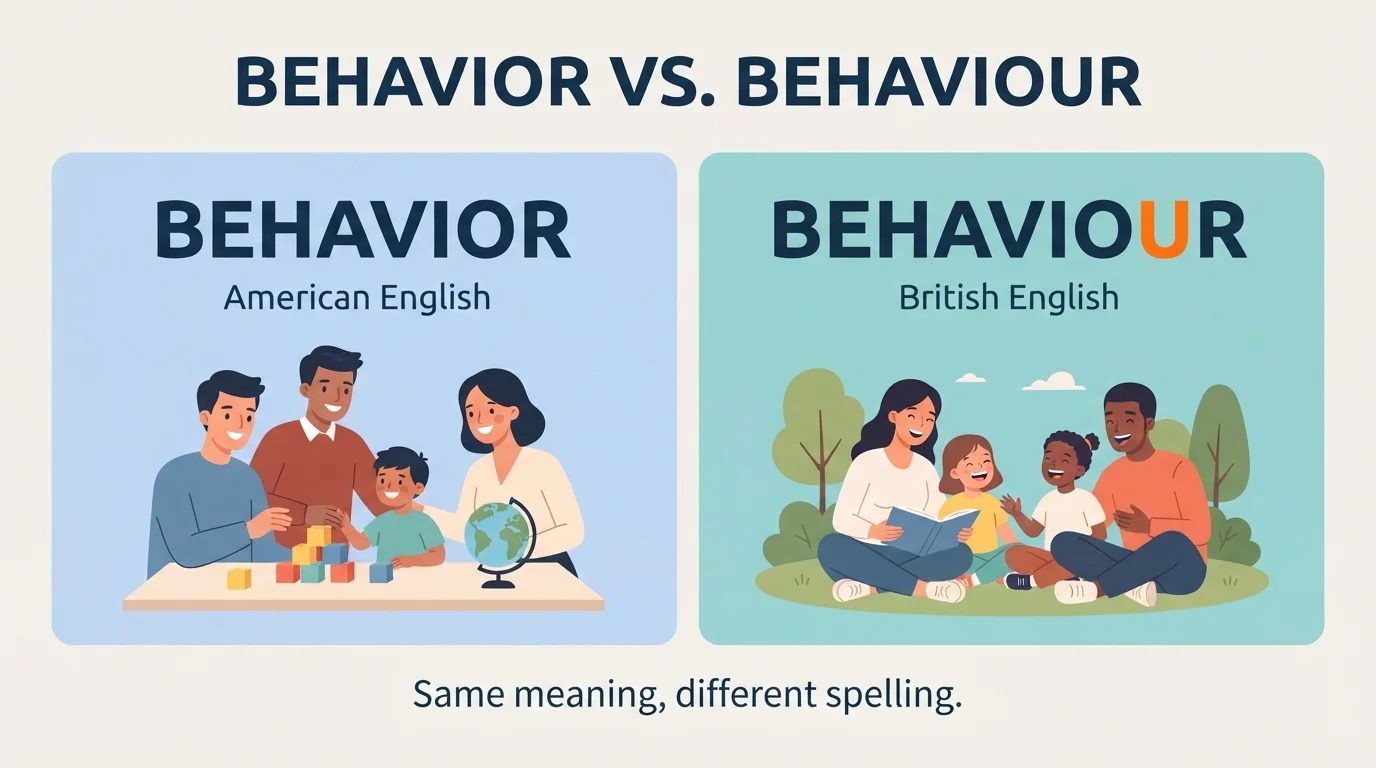
The words behavior and behaviour have exactly the same meaning, but they follow different English spelling conventions. Both are correct, ...
Read more
Left in the Lurch Meaning: Definition and How to Use This Idiom

The phrase “left in the lurch” is a common English idiom that describes a situation in which someone is abandoned, ...
Read more
Afflict vs. Inflict: What Is the Difference You Use Each Word?
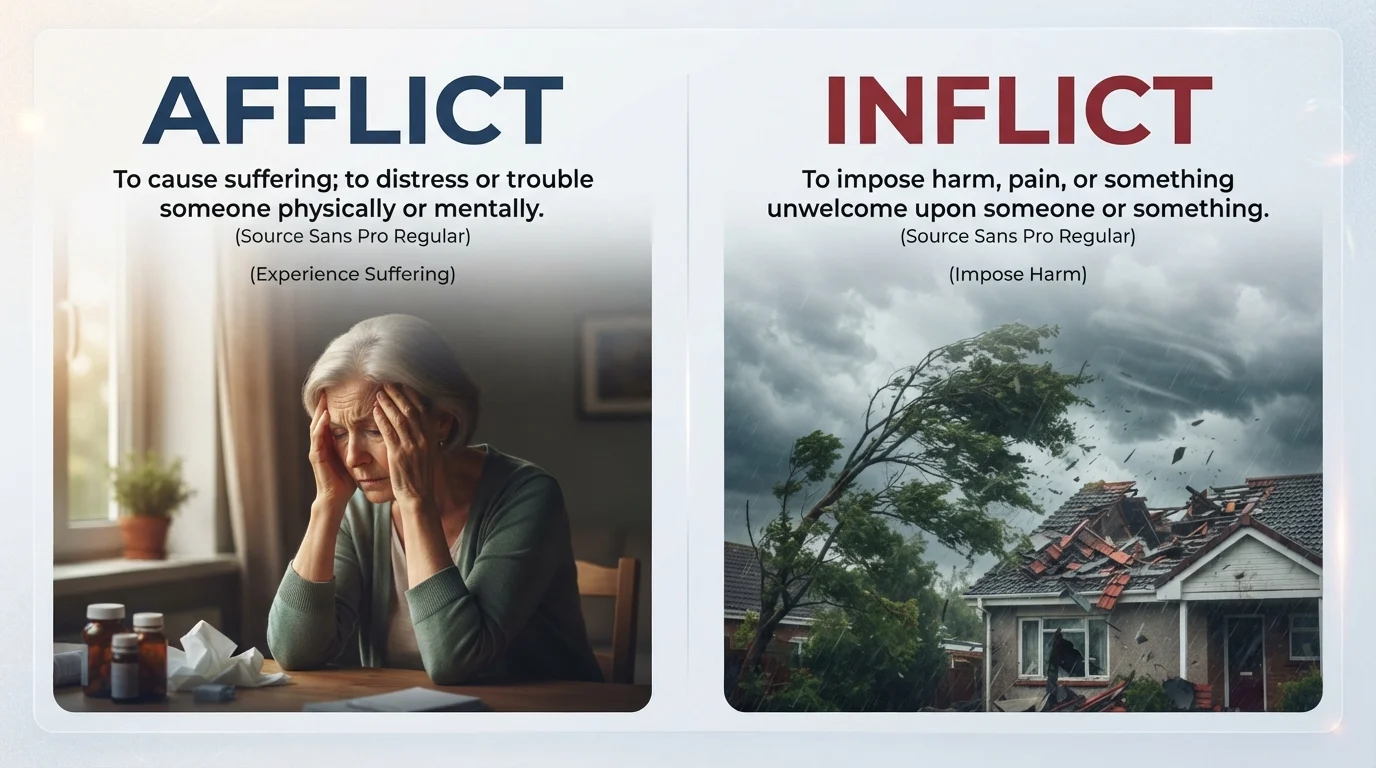
The words afflict and inflict are often confused because both describe pain, suffering, harm, or unpleasant experiences. However, they have ...
Read more